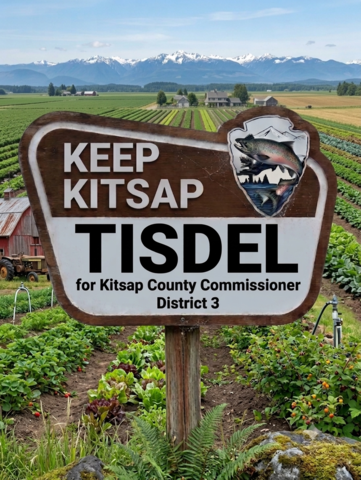
Vote Kevin Tisdel for Kitsap County Commissioner

Platform

Issues that keep Kitsap

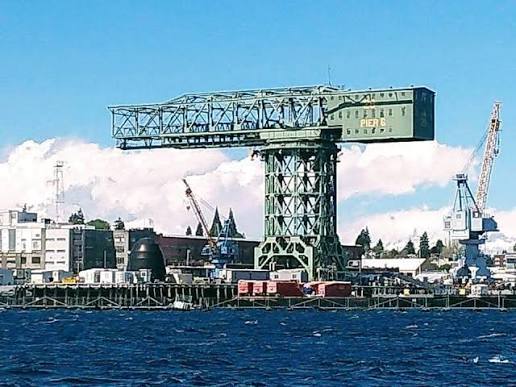
Every land use, infrastructure, and economic development decision must deliver measurable net-positive revenue to Kitsap County taxpayers and good family-sustaining jobs — while protecting the rural character, farms, fisheries, and Navy presence that define our home.

Farmland

No-net-loss, for real

Farmland

According to USDA Census of Agriculture data in county reports, Kitsap lost 61% of farmland acres from 1997 to 2017 (24,209 → 9,391). That is about three times the Puget Sound regional rate. Development pressure, rural estate fragmentation, and a lack of large commercial ag zoning are the drivers. Only 18 farms over 50 acres remain. TDR has not delivered measurable no-net-loss. The fix: stronger preservation tools, farm-to-market infrastructure, and an end to taxing working farms off the land.

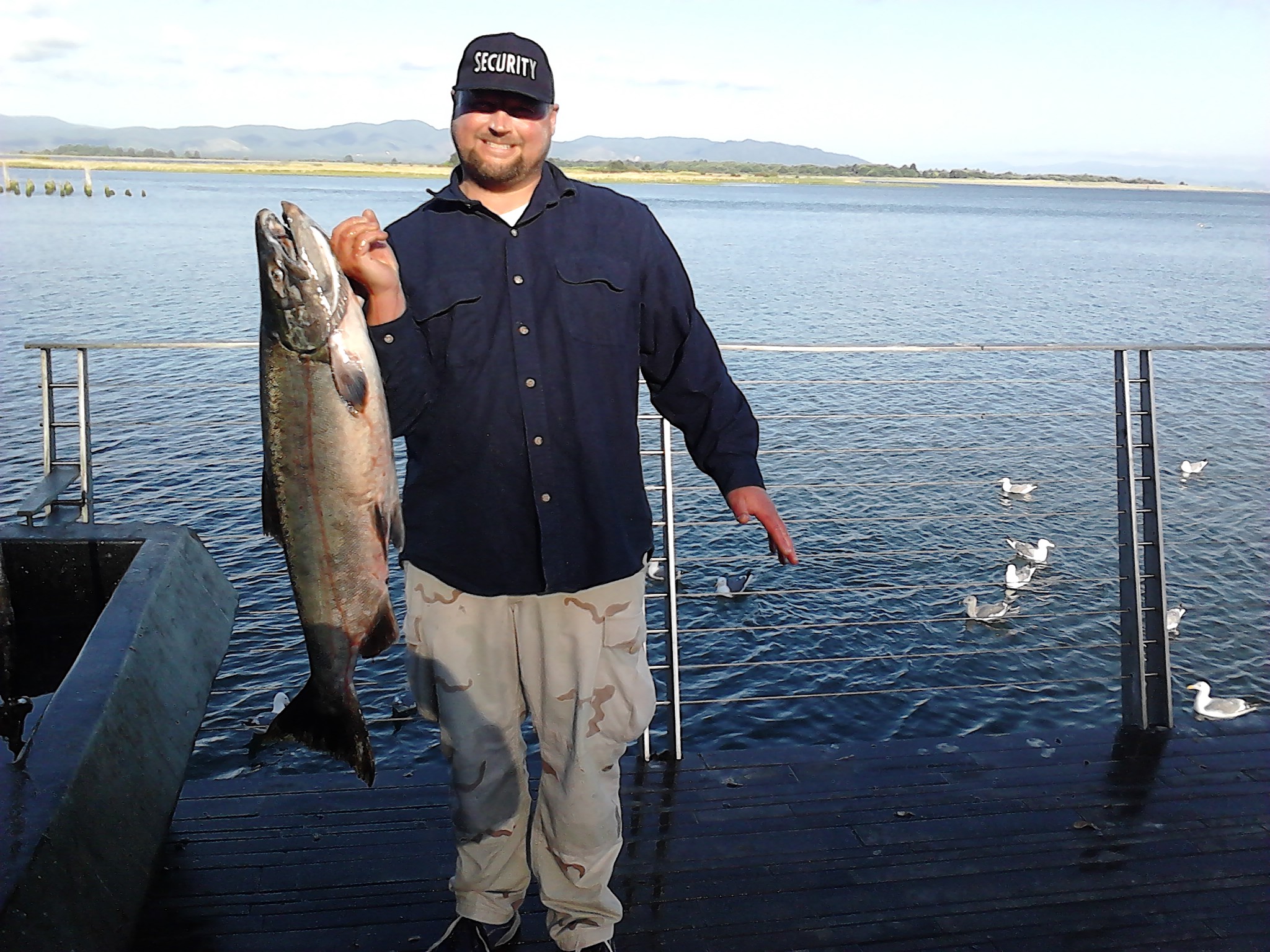
Kevin Tisdel with a Kitsap salmonPuget Sound fisheries

One practical change

Environment & fisheries

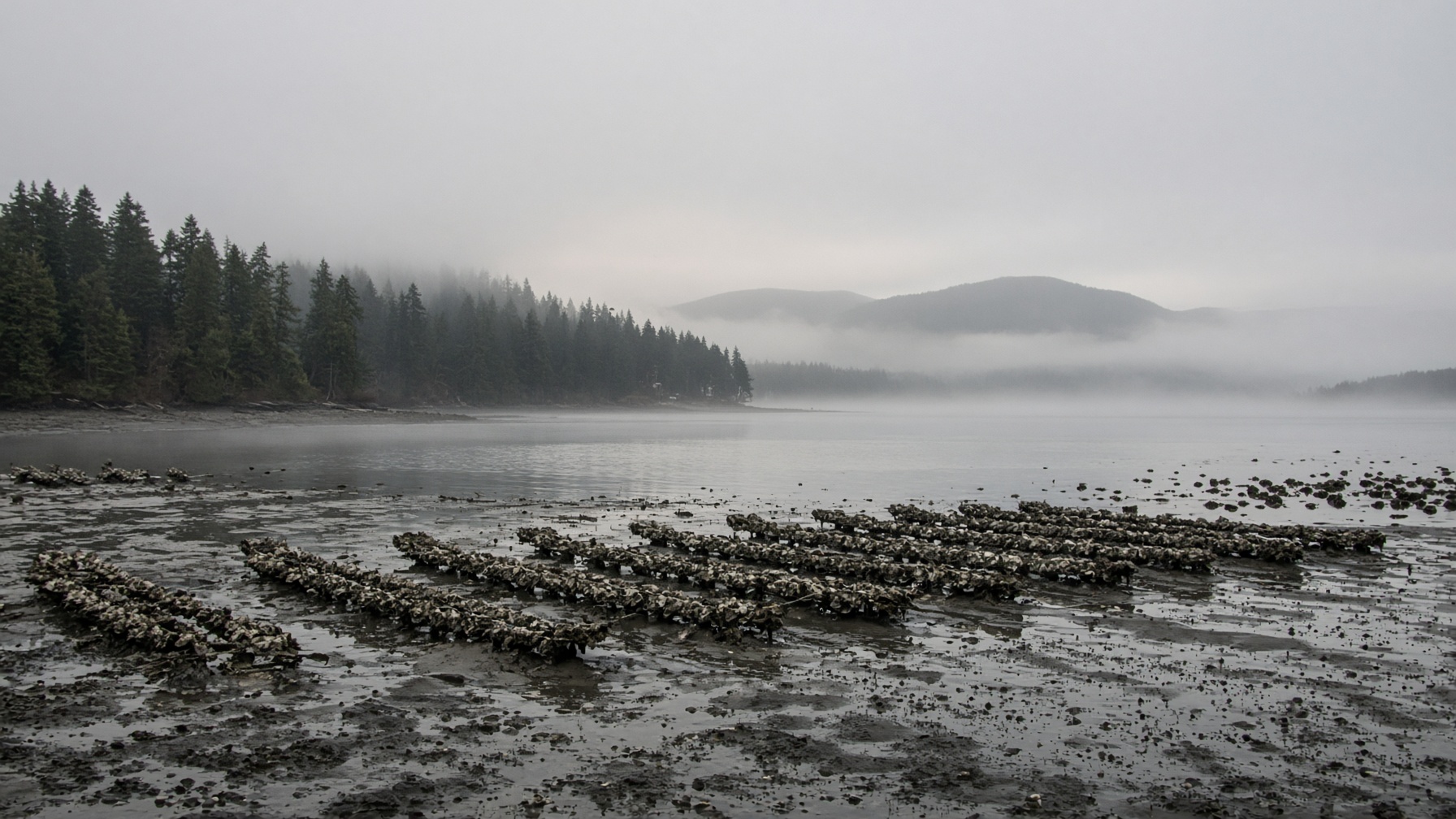
Puget Sound fisheries are struggling to reproduce. Pharmaceuticals and other contaminants from wastewater are entering the Sound at high levels. Ocean acidification is reducing aragonite saturation, making it harder for shellfish to build shells — and weakening a natural carbon sink. Washington's Climate Commitment Act currently provides little dedicated funding for this. Field trials at PNNL's Sequim plant with NOAA show alkalinity addition to effluent can locally improve carbonate chemistry. We must sponsor legislation requiring treatment plants serving high-density populations to (1) remove pharmaceuticals and emerging contaminants and (2) dose treated effluent with aragonite or equivalent alkalinity. Protect fisheries. Support shellfish recovery. Deliver measurable results.

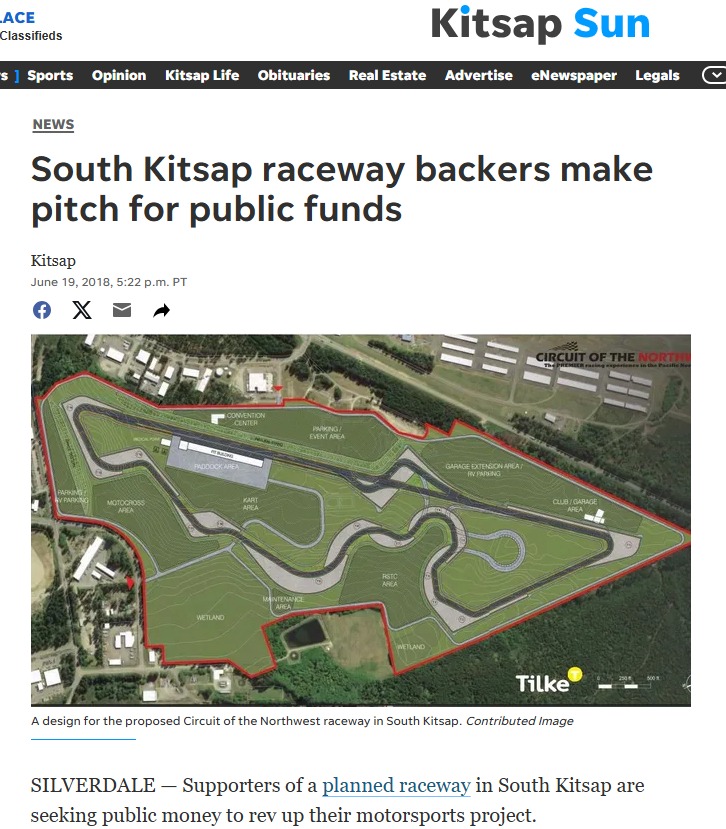
Surf LagoonCircuit of the Northwest racewayHeritage bike pathFarm-and-trail horsesLodging on the water

Tourism, trails, lodging

Revenue that stays here

Kitsap can generate its own revenue instead of exporting workers and importing other counties' housing mandates. Push Surf Lagoon as a leisure destination. Build farm-and-trail tourism with a Pike Place–style market for local goods. Advance the CNW racetrack and more lodging. Fund a Burke-Gilman-style heritage trail connecting Clear Creek to Chico Creek along the water. Lobby for freeway on-ramps that divert traffic away from the Silverdale business core. Sustained hospitality jobs stay in Kitsap.

Affordability, not shortage

Workforce zoning

Affordability, not shortage

Kitsap has about 97,000 jobs and roughly 147,000 homes. That is a housing surplus. It is an affordability problem, not a shortage. To restore affordable housing in Kitsap, we must repeal the regional formula and the legislation that imposes it — County Ordinance 631-2024, HB 1491, SB 5148, and related builder's-remedy law. We are disproportionately taxing Kitsap's workforce to cover transportation and housing for outbound commuters, turning this county into a suburb of Seattle. Kitsap workers should not have to compete with Seattle's workforce for housing and then pay the bills. That competition is what drives costs up. Multi-county housing dumped into one county does not add jobs, revenue, or value. It adds taxes, social and public-safety pressure, and a cost burden. The solution is workforce zoning for the families who already live here.

Healthcare & hospital

Listening first

Healthcare & hospital

I have a meeting scheduled to learn more before I disclose what I think will offer better coverage and conditions for staffing and patients. More to come. The OB-GYN shortage is one example of a system that is already stretched.

The work

Things to fix

Six problems. One county. Scan the row — then read the record.

01

Stop the giveaway

Land use and zoning are effectively giving Kitsap County away — taxing our workforce so other counties can house outbound commuters.

02

Surplus, not shortage

97,000 jobs. 147,000 homes. Kitsap does not have a housing shortage. It has an affordability problem.

03

Repeal GMA first

Repeal the Growth Management Act first — then Ordinance 631-2024, HB 1491, and SB 5148. That is how you restore affordable housing for Kitsap workers, not more units for commuters.

04

End the 20-year tax holiday

MFTE pardons developers from property taxes for up to 20 years and shifts school, fire, utility, and transit costs onto you.

05

Growth does not pay for growth

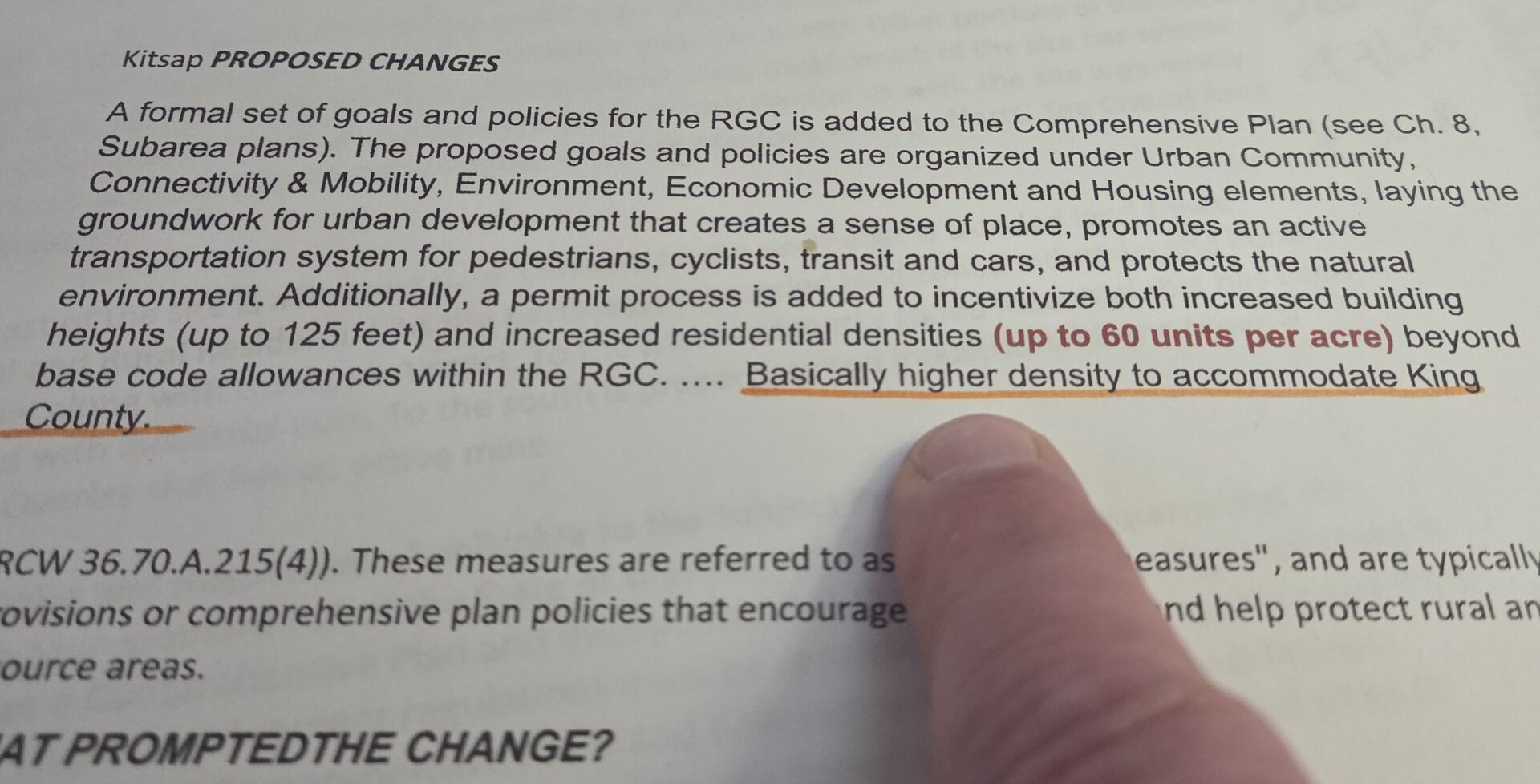
A 2021 county document says it plainly: “higher density to accommodate King County.” Big-city experience proves taxpayers foot the bill.

06

Farm-to-market, industrial jobs

No farm taxation. Modernize regional services. Generate revenue through high-paying construction and industrial work — with the courage to negotiate.

Corrective measures require legislative influence, negotiation, and the courage to do it.

  • County Ordinance 631-2024, HB 1491, and SB 5148 (2025–26) include a builder's remedy modeled on California's approach, sponsored by Sen. Jessica Bateman and others.
  • Companion HB 1235 was signed by Gov. Bob Ferguson on May 13, 2025 (effective July 27, 2025).
  • A 2021 Kitsap County document states the shift in formula: “Basically higher density to accommodate King County.”
  • The Multifamily Tax Exemption incentive shifts school, fire, and state taxes to residents, plus the cost of utilities and high-capacity transit.
  • Bottom line: that is a loss of revenue for the county. You make up the difference.
  • To restore affordable housing in Kitsap, repeal the regional formula. Kitsap workers competing with outbound commuters for the same homes is what is driving costs up.
Kitsap County 2021 comment: Basically higher density to accommodate King County
Kitsap County document, 2021 — full comment: “Basically higher density to accommodate King County.”